
1 in 10000 Launches
The reasonable and acceptable divide

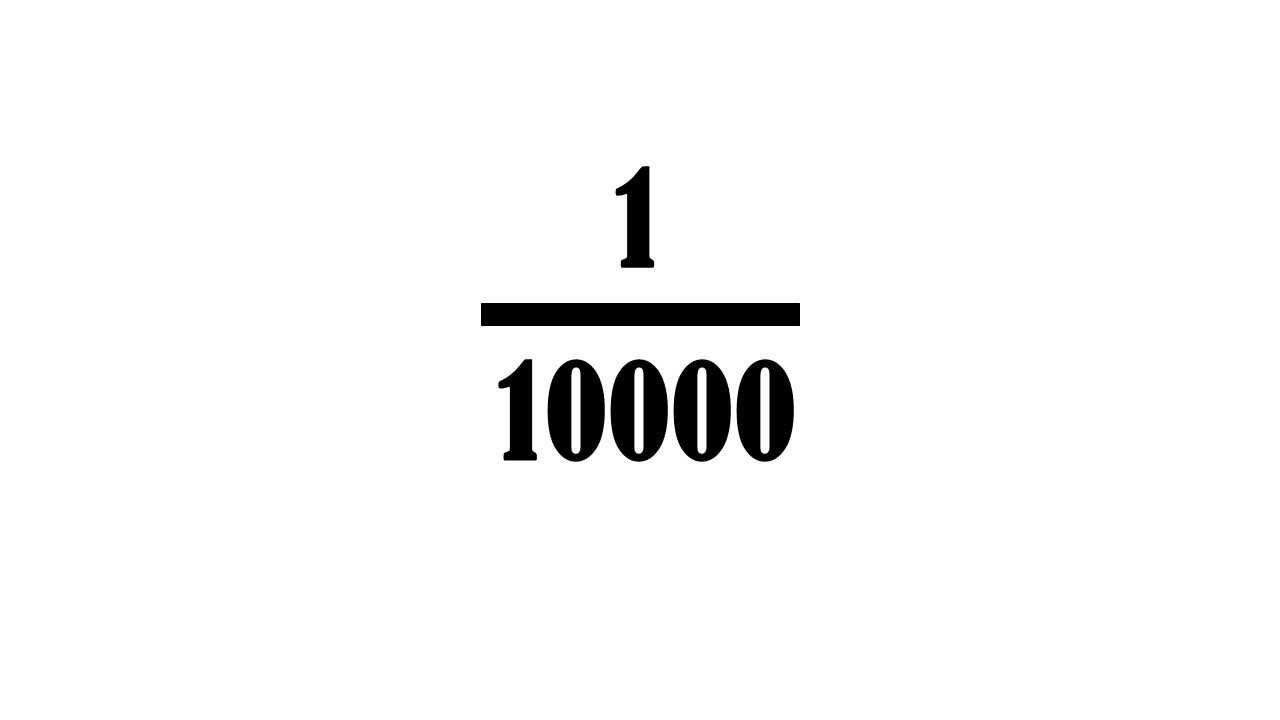
That is the limit set by the regulator for the allowable number of casualties for orbital launches. Does that sound reasonable to you? It is easy to argue on either side of that number, some might say - it sounds reasonable given the benefit it provides to you or your community, for others the trade-off does not work, it might seem unreasonable. The regulator hence acts as an arbitrator - deciding for all the stakeholders on what is reasonable. Hence, the real question is how does an organization go about proving that it is indeed meeting this limit, and more importantly - what does the public do with that information?
Let us examine the recent event of the good failure launch of the staggering experiment which was the SpaceX starship down range from population centers that occupy about half a million citizens between Brownsville, Port Isabel & Matamoros down on the Gulf Coast of the US & Mexico. As the proverbial dust settles, it is apparent that there is a lot of learning being done here, primarily around catastrophic damage near the launch pad. What is clear is that as with any new technology, and models that help build it - reality deviated from what was expected & this is as it should be - however this raises the question wasn't the original license for launch granted based on calculations for safety from these models?
Yes, no one was hurt, but things did not go according to plan either & more importantly the safety systems to make sure no one was hurt - worked.
The launch vehicle self-destructed which is a safety system that SpaceX likely connected to compliance with the flight abort regulations that in the first place allowed it to get to the license to launch. This was likely connected to abnormal operation of the launch vehicle which ultimately led to the safety system working as expected - and not because it suddenly detected that it might hurt or cause casualties, a nuanced but important aspect to understand about safety. We gain safety not by analyzing for it but engineering for it.
In a few months there will likely be a new attempt to launch following fixes which partially might be an outcome of an investigation launched by the FAA. This will likely mean engineering changes & better safety systems to ultimately satisfy the FAA compliance, but what the community really needs to learn is what is the new plan for safer launches, and not that we are back in the 1 in 10000 envelope of compliance. This is not an unreasonable demand since safety is achieved through engineering and not by analysis. Acceptance of new technology is through the confidence and belief, that ethical engineers & businesses build safety transparently, and through the information asymmetry that these highly abstract metrics create, and as we along with millions of others cheer on the next attempt to make humans a multi-planetary species, my only question is can you please tell us how this time is safer than the last?